



 Click it and Unblock the Notifications
Electric Vehicle Safety To Be Followed In Summer: Charging Tips, Parking Suggestions & More

Summer in India brings various challenges, including issues for electric vehicles. High temperatures can affect these vehicles, leading to potential hazards like fires. In recent years, manufacturers have worked to improve the safety of electric vehicles in hot weather. Although incidents of fires have decreased, it's crucial to remain cautious when using electric vehicles during summer.
- Charging your electric vehicle requires careful attention. Always use the charger provided with your vehicle to avoid overheating. If the charger is damaged, get a replacement from the dealership. Avoid leaving the charger plugged in for extended periods, as this can harm the battery and reduce its lifespan.
-
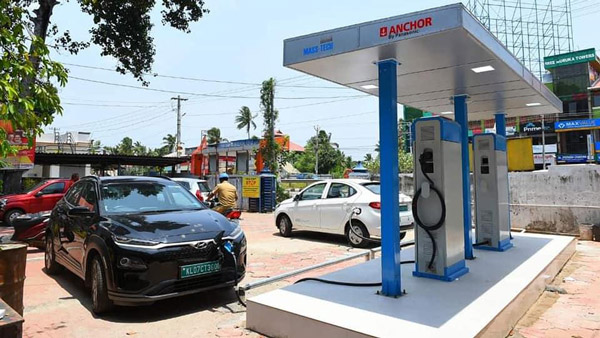
- Charging overnight is a common practice with mobile phones, but it can damage electric vehicles. Instead, charge your vehicle in a well-ventilated area and avoid narrow spaces or flammable items. After long trips, let the battery cool before charging. If a fire occurs during charging, move the vehicle to an open area immediately.
- Regularly inspect your vehicle's battery for any damage. The manufacturer's manual provides guidance on proper charging and maintenance. It includes details on optimal charge levels and battery capacity, ensuring you keep your vehicle in good condition.
- Avoid parking your electric vehicle in direct sunlight whenever possible. If parked for extended periods, choose shaded areas under buildings or trees. Refrain from charging during peak midday heat. When parking in places like restaurants or offices, check the area's temperature before deciding to charge.


Electric vehicles are promoted as eco-friendly transport options worldwide, including in India. This has increased demand for batteries, prompting companies to explore safer alternatives. Currently, lithium-ion batteries are prevalent due to their energy efficiency and lightweight nature.
Battery Technology Insights
Lithium-ion (Li) batteries contain nickel, cobalt, and manganese but aren't as safe as lithium-iron-phosphate (LFP) batteries. Tesla uses lithium-iron batteries despite their higher cost because they perform well at high temperatures but struggle in cold climates. These batteries suit India's conditions but are costly for widespread use.

 Continue with Google
