



 Click it and Unblock the Notifications
Best Electric Cars in India
Best Electric Cars (EVs) are rapidly transforming the Indian automotive landscape, offering a futuristic, eco-friendly, and highly cost-effective mode of transportation. With government incentives, a rapidly expanding charging infrastructure, and major advancements in battery technology, EVs have moved from being a niche concept to a mainstream choice for city commuters and highway travelers alike.
Today, the electric vehicle segment in India spans across multiple budgets and body styles–ranging from ultra-compact city cars to premium, high-performance luxury SUVs. Modern EVs offer instant torque, completely silent cabins, zero tailpipe emissions, and remarkably low running costs that traditional internal combustion engine (ICE) cars simply cannot match.
Explore our curated list of the best electric cars in India, featuring the top models across different price segments, to help you compare real-world range, battery capacity, charging times, and overall value as you transition to electric mobility.
Top Electric Cars in India
| Model | Ex-Showroom Price | Certified Mileage / Range |
|---|---|---|
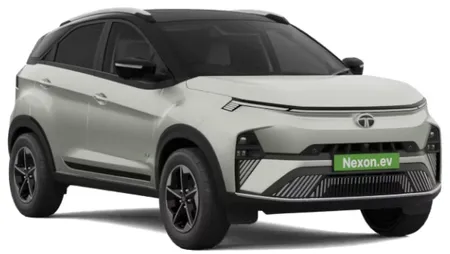
| Tata Nexon EV | ₹13.22 - ₹18.56 Lakh | Up to 465 km |
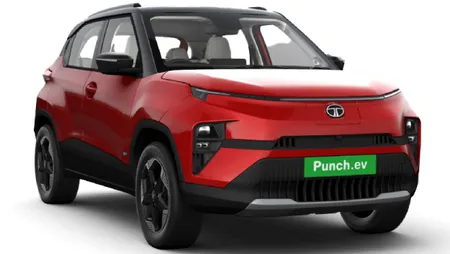
| Tata Punch EV | ₹10.20 - ₹13.60 Lakh | 315 - 421 km |
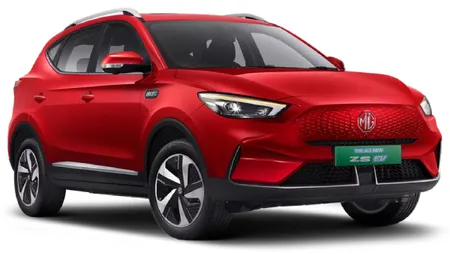
| MG ZS EV | ₹19.28 - ₹22.21 Lakh | Up to 461 km |
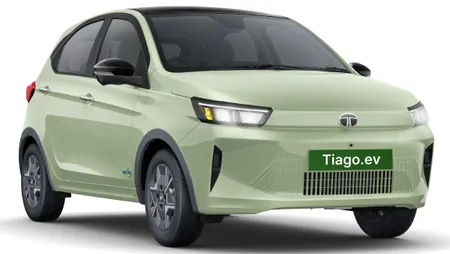
| Tata Tiago EV | ₹7.37 - ₹10.51 Lakh | 250 - 315 km |
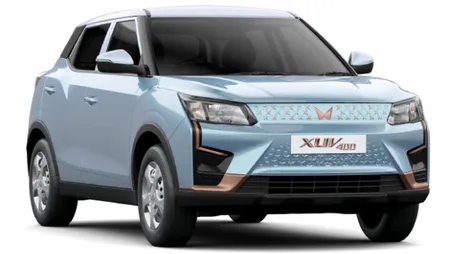
| Mahindra XUV400 | ₹16.59 - ₹17.90 Lakh | 375 - 456 km |
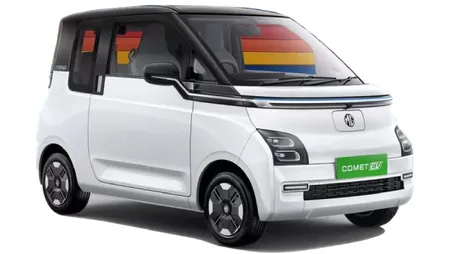
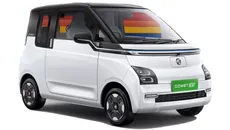
| MG Comet EV | ₹8.15 - ₹10.61 Lakh | Up to 230 km |
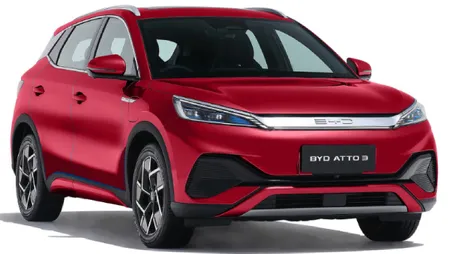
| BYD Atto 3 | ₹24.99 - ₹34.49 Lakh | Up to 521 km |
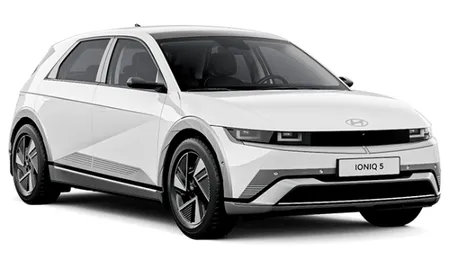
| Hyundai Ioniq 5 | ₹59.40 Lakh | Up to 631 km |
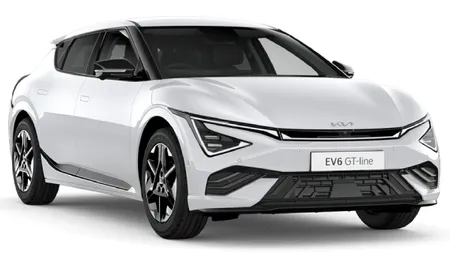
| Kia EV6 | ₹69.71 Lakh | Up to 708 km |
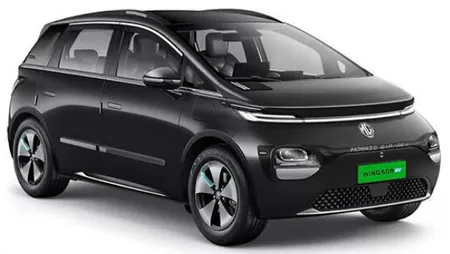
| MG Windsor EV | ₹15.20 - ₹19.95 Lakh | 331 - 449 km |








 Continue with Google
