New Petrol Cars in India

Welcome to your ultimate guide to finding the perfect new petrol car. Whether you are looking for a highly fuel-efficient hatchback for daily city commutes, a punchy turbo-petrol SUV for family road trips, or a refined premium sedan, the Indian market offers an incredible variety of options.

Despite the growing popularity of alternative fuels, modern petrol engines remain the top choice for Indian car buyers. Today's petrol cars feature advanced engineering, including mild-hybrid tech and direct-injection turbochargers, delivering the perfect balance of exciting performance and impressive fuel economy.

Browse our comprehensive, updated list of the latest petrol cars below. Use our filters to sort by brand, budget, body type, and transmission to find on-road prices, read expert reviews, and compare technical specifications.

Car Model On-Road Price Body Type
BMW M2 Rs. 120.88 - 190.96 Lakh Coupe
BMW M4 Rs. 185.20 Lakh Coupe
Maruti Suzuki S-Presso Rs. 3.89 - 5.85 Lakh Hatchback
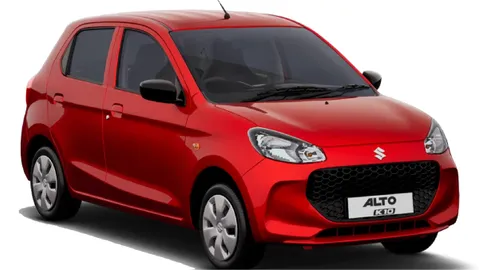
Maruti Suzuki Alto K10 Rs. 4.07 - 5.94 Lakh Hatchback
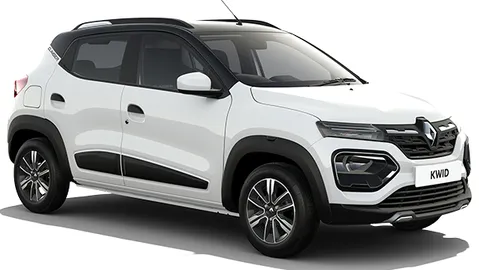
Renault Kwid Rs. 5.15 - 6.43 Lakh Hatchback

Filter by Car Name

Why Choose a Petrol Car?

If you are debating which fuel type suits your needs, here is why a modern petrol car is a smart investment:

  • Lower Upfront Cost: Petrol cars generally have a significantly lower showroom price compared to their diesel or electric counterparts, making them highly accessible.
  • Superior Refinement: Known for their low NVH (Noise, Vibration, and Harshness) levels, petrol engines provide a buttery-smooth, quiet cabin experience.
  • Longer Road Life: In strictly regulated regions like Delhi-NCR, petrol cars enjoy a 15-year registration validity, whereas diesel cars are limited to just 10 years.
  • Affordable Maintenance: Petrol engines lack complex diesel-specific emission components (like DPFs and AdBlue systems), making routine servicing cheaper and hassle-free.
  • E20 Compliance: All new petrol cars sold in India today are compliant with the latest BS6 Phase-2 emission norms and E20 (20% ethanol blend) fuel, making them future-proof.

Understanding Your Petrol Engine Options

Not all petrol cars are the same. Depending on your driving habits, you can choose from three main types of powertrains:

  1. Naturally Aspirated (NA) Petrol: Reliable, linear, and highly efficient in heavy traffic. Best suited for relaxed city driving and budget-conscious buyers.
  2. Turbocharged Petrol (Turbo): Offers the thrilling acceleration of a much larger engine while maintaining the fuel economy of a smaller one. Ideal for highway cruising and enthusiastic drivers.
  3. Mild-Hybrid Petrol: Pairs a standard petrol engine with a small battery and electric motor. This setup takes the load off the engine during acceleration and start-stop traffic, significantly boosting your mileage.

Frequently Asked Questions (FAQs)

1. Which new petrol car gives the best mileage in India?
Hatchbacks from Maruti Suzuki and Toyota consistently lead the charts for petrol fuel efficiency. Models equipped with DualJet engines and mild-hybrid technology (like the Celerio, Swift, and Baleno) can easily deliver ARAI-certified mileage figures between 22 kmpl and 25 kmpl.
2. Should I buy a turbo-petrol or a normal (naturally aspirated) petrol car?
This depends entirely on your driving style. If 80% of your driving is in stop-and-go city traffic, a normal petrol engine is smoother, more fuel-efficient, and cheaper to buy. However, if you frequently drive on highways, carry heavy loads, or simply enjoy quick overtaking, a turbo-petrol engine is well worth the premium.
3. Are petrol cars suitable for long highway drives?
Absolutely. Modern petrol cars—especially turbo-petrol compact SUVs and sedans—offer excellent high-speed stability, cruise control, and refined power delivery. They are exceptionally comfortable for cross-country road trips.
4. Will petrol cars be banned in India anytime soon?
No, there are no immediate plans to ban the sale or use of petrol cars in India. The government's current focus is on reducing emissions through stricter BS6 Phase-2 norms and E20 blended fuel. Any new petrol car you buy today will remain fully road-legal for its entire registration lifecycle.
5. How much cheaper is it to maintain a petrol car compared to a diesel?
On average, routine maintenance for a petrol car is 15% to 20% cheaper than a diesel equivalent. You save money on cheaper engine oil, fewer filter replacements, and the avoidance of expensive diesel-specific exhaust cleaning systems.
Notifications
Settings
Clear Notifications
Notifications
Use the toggle to switch on notifications
  • Block for 8 hours
  • Block for 12 hours
  • Block for 24 hours
  • Don't block
Gender
Select your Gender
  • Male
  • Female
  • Others
Age
Select your Age Range
  • Under 18
  • 18 to 25
  • 26 to 35
  • 36 to 45
  • 45 to 55
  • 55+