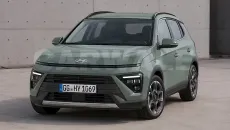
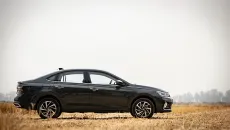
Best 1000cc Car Models

The 1000cc (1.0-litre) engine segment in India has evolved remarkably, serving as the backbone for both highly efficient budget commuters and exhilarating turbocharged performers. In the past, a 1.0L engine was strictly associated with entry-level hatchbacks designed purely for maximum mileage and affordability. However, the introduction of advanced direct-injection and turbocharging technologies (like TSI, T-GDi, and Boosterjet) has completely revolutionized this displacement category, allowing compact SUVs and premium sedans to deliver punchy performance without compromising on fuel economy. Whether you are looking for an ultra-affordable daily driver, a practical family mover, or a fast and fun European cruiser, the Indian market offers an incredible variety of 1000cc cars to suit every lifestyle.

Top 1000cc Cars in India

Model Ex-Showroom Price Mileage (ARAI)
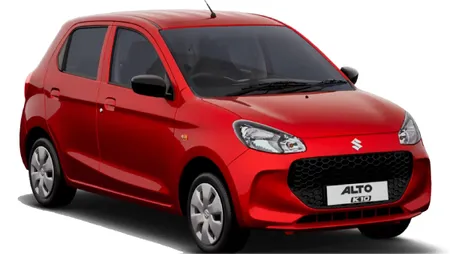
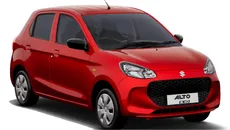
Maruti Suzuki Alto K10 ₹4.07 Lakh - ₹5.94 Lakh 24.39 - 24.90 kmpl
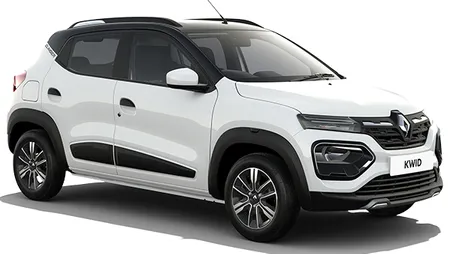
Renault Kwid ₹5.15 Lakh - ₹6.43 Lakh 21.46 - 22.30 kmpl
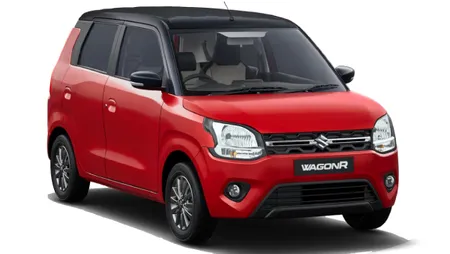
Maruti Suzuki WagonR ₹5.53 Lakh - ₹7.95 Lakh 24.35 - 25.19 kmpl
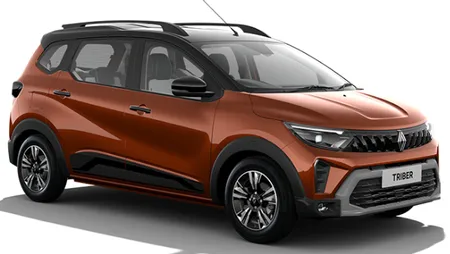
Renault Triber ₹6.55 Lakh - ₹9.90 Lakh 18.00 - 20.00 kmpl
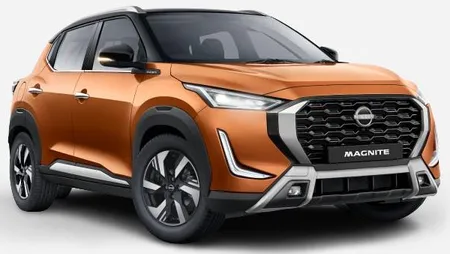
Nissan Magnite ₹6.29 Lakh - ₹12.99 Lakh 19.40 - 20.00 kmpl
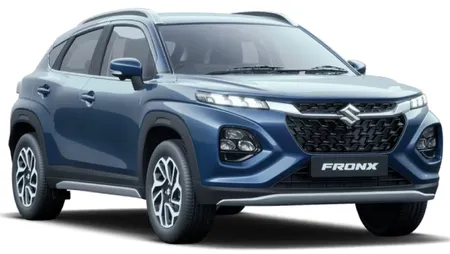
Maruti Suzuki Fronx ₹7.82 Lakh - ₹13.93 Lakh 20.01 - 21.50 kmpl
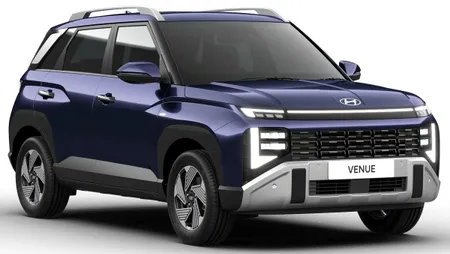
Hyundai Venue ₹9.10 Lakh - ₹18.85 Lakh 17.50 - 18.31 kmpl
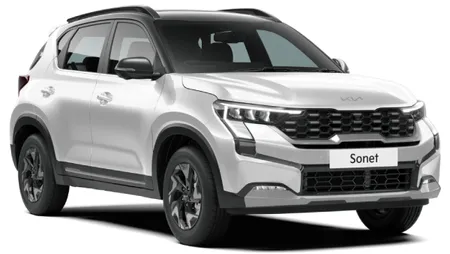
Kia Sonet ₹8.50 Lakh - ₹17.22 Lakh 18.20 - 18.70 kmpl
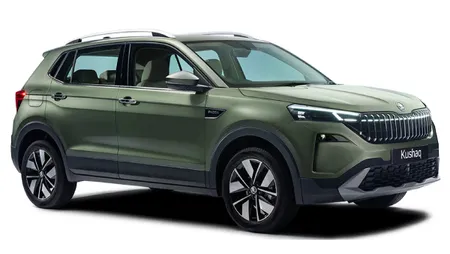
Skoda Kushaq ₹12.37 Lakh - ₹21.83 Lakh 18.09 - 19.76 kmpl
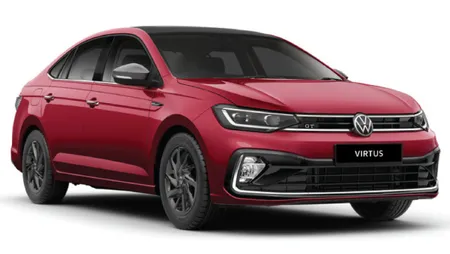
Volkswagen Virtus ₹12.41 Lakh - ₹22.32 Lakh 18.12 - 20.80 kmpl

Filter by Car Name

Why Should You Buy a 1000cc Car?

  • Exceptional Fuel Efficiency: Naturally aspirated 1.0L engines (like those in the Alto, Kwid, and WagonR) are tuned specifically to sip fuel, regularly delivering mileage figures above 20-22 kmpl in real-world conditions.
  • Tax Benefits: Under Indian taxation laws, sub-4-meter cars with petrol engines smaller than 1.2 litres attract significantly lower GST and cess, passing on massive cost savings to the buyer.
  • Turbocharged Thrills: Modern 1.0L turbo engines (like the TSI and Boosterjet) offer the perfect best-of-both-worlds scenario—delivering the high torque and acceleration of a much larger 1.5L engine while maintaining the low-speed efficiency of a small block.
  • Lower Maintenance Costs: Smaller three-cylinder naturally aspirated 1.0L engines have fewer moving parts, require less engine oil, and are generally cheaper to service and maintain over the vehicle's lifespan.
  • Perfect for City Traffic: A 1000cc block is highly compact and lightweight, contributing to a lighter front-end weight. This makes the steering highly responsive and easy to maneuver in heavy stop-and-go city traffic.

Safest 1000cc Cars

Safety is a critical parameter, and a smaller engine certainly does not mean a compromise on structural integrity.

  • Volkswagen Virtus & Skoda Kushaq: Both of these vehicles share the localized MQB-A0-IN platform and have scored a flawless 5-star rating for both adult and child occupants in the Global NCAP crash tests, making them the safest 1.0L cars in India.
  • Nissan Magnite & Renault Triber: Despite being highly affordable budget vehicles, both the Magnite and Triber boast robust 4-star crash test ratings (Global NCAP/ASEAN NCAP), proving that safety can be accessible.
  • Hyundai Venue & Kia Sonet: Both of these premium compact SUVs now come heavily fortified with standard 6 airbags, electronic stability control, and advanced ADAS features on top-spec variants to actively prevent accidents.

FAQs on Best 1000cc Cars

Is a 1000cc engine powerful enough for a long highway drive?
Yes, absolutely. A naturally aspirated 1000cc engine (like in the WagonR or Kwid) can comfortably cruise at 80-100 km/h, though it requires some planning for overtaking. However, a turbocharged 1000cc engine (like the Skoda Kushaq or Hyundai Venue) generates exceptional torque and can effortlessly sustain high speeds, making it highly capable and fun on the highway.
Which 1000cc car gives the highest mileage?
Among naturally aspirated models, the Maruti Suzuki Alto K10 and WagonR lead the segment with claimed ARAI mileage figures hovering around 24 to 25 kmpl. If driven sedately, even turbocharged 1.0L cars like the Maruti Fronx (with mild-hybrid tech) can return excellent mileage north of 20 kmpl.
Are 1000cc three-cylinder engines noisy or unrefined?
While older three-cylinder engines had a reputation for vibrations, modern 1000cc engines have vastly improved. Automakers use advanced engine mounts, counter-balancers, and superior cabin insulation to ensure that the noise and vibrations are barely noticeable, especially in premium cars like the Virtus or Sonet.
Should I choose a naturally aspirated or turbocharged 1000cc engine?
Your choice should depend entirely on your usage. If 90% of your driving is in heavy city traffic and you want maximum fuel efficiency and low maintenance costs, a naturally aspirated engine is perfect. If you frequently drive on highways, love rapid acceleration, and do not mind a slight drop in city mileage, the turbocharged 1.0L is the clear winner.
Notifications
Settings
Clear Notifications
Notifications
Use the toggle to switch on notifications
  • Block for 8 hours
  • Block for 12 hours
  • Block for 24 hours
  • Don't block
Gender
Select your Gender
  • Male
  • Female
  • Others
Age
Select your Age Range
  • Under 18
  • 18 to 25
  • 26 to 35
  • 36 to 45
  • 45 to 55
  • 55+