New Diesel Cars in India (2026) – Prices, Mileage, Specs & Top SUV Models

Diesel cars remain the preferred choice for highway cruisers, high-mileage drivers, and off-road enthusiasts across India in 2026. Renowned for delivering massive low-end torque, effortless overtaking capability, and superior long-distance fuel economy, modern BS6 Phase 2 (RDE)-compliant diesel engines offer high thermal efficiency and refined power delivery.

From frugal premium hatchbacks and feature-packed compact crossovers to rugged ladder-frame 7-seater SUVs and 4x4 off-road vehicles, the diesel segment caters to drivers who frequently travel long distances or need heavy-duty pulling power. Modern diesel powertrains also feature advanced automatic transmissions—including Torque Converters and Dual-Clutch (DCT) options—delivering smooth gear shifts alongside high fuel savings.

On DriveSpark, you can easily browse and compare all new diesel cars available in India. Explore updated ex-showroom prices, expected city-wise on-road costs, certified ARAI fuel economy figures, torque specs, boot space, safety features, and detailed variant breakdowns for popular diesel models from Mahindra, Tata Motors, Hyundai, Kia, and Toyota.

Car Model On-Road Price Body Type
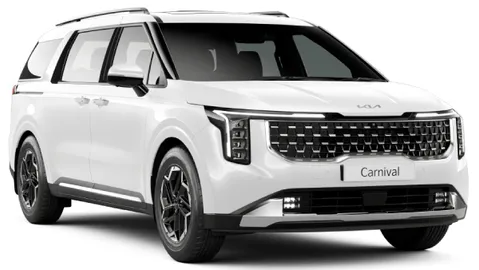
Kia Carnival Rs. 70.61 Lakh MUV
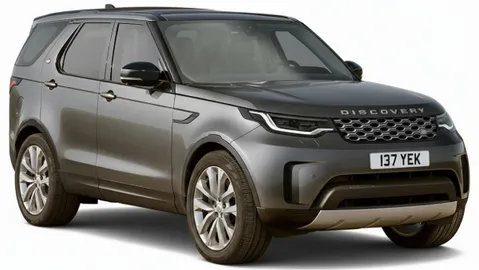
Land Rover Discovery Sport Rs. 73.39 - 74.98 Lakh SUV
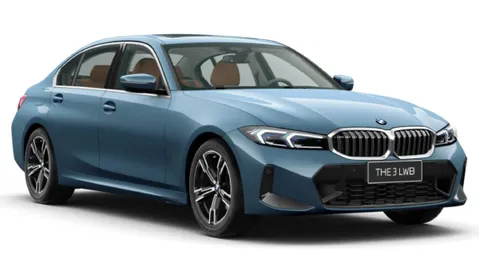
BMW 3 Series LWB Rs. 72.62 - 75.95 Lakh Sedan
Jaguar F-Pace Rs. 79.81 - 81.54 Lakh SUV
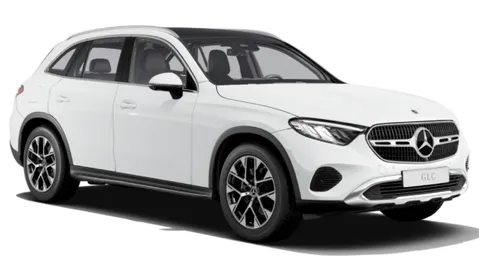
Mercedes Benz GLC Rs. 89.05 - 90.97 Lakh SUV

Filter by Car Name

Best Diesel Cars in India by Segment

  • Diesel Hatchbacks: Tata Altroz Diesel stands as India's premier diesel hatchback, powered by a 1.5L Revotorq engine that delivers exceptional highway fuel economy and 5-star crash safety.
  • Compact & Sub-Compact SUVs: Models like the Tata Nexon, Hyundai Venue, and Kia Sonet combine punchy 1.5L turbo-diesel performance with compact urban dimensions and advanced tech.
  • Mid-Size SUVs & Crossovers: Segment bestsellers including the Hyundai Creta, Kia Seltos, Tata Harrier, and MG Hector offer panoramic sunroofs, ADAS safety suites, and effortless highway cruising.
  • Full-Size 7-Seater SUVs & MPVs: Heavyweights such as the Mahindra XUV700, Mahindra Scorpio-N, Tata Safari, Toyota Innova Crysta, and Toyota Fortuner deliver high seating capacity, body-on-frame durability, and high towing capacity.

The Diesel Advantage: Why Choose Diesel over Petrol?

  1. Superior Low-End Torque: Diesel engines produce peak torque at lower RPMs, providing effortless acceleration under full passenger loads, steep incline climbing, and off-road terrain navigation.
  2. Unmatched Highway Fuel Economy: Diesel burns more efficiently than petrol, delivering up to 20% to 30% higher fuel efficiency on long highway journeys.
  3. Lower Running Cost for High-Mileage Drivers: For owners driving over 15,000 km annually, the fuel savings of a diesel powertrain quickly offset its higher upfront purchase cost.
  4. High Resale Value in SUV Segments: Pre-owned vehicle market data indicates that mid-size and full-size diesel SUVs retain strong resale value due to persistent demand in long-distance logistics and regional travel.

Fuel Economy Leaderboard: Most Efficient Diesel Vehicles

Mileage remains a key consideration for diesel buyers. Here are the top ARAI-certified fuel efficiency figures for diesel vehicles in India:

  • Tata Altroz 1.5L Diesel: ~23.6 km/l
  • Hyundai Venue 1.5L CRDi: ~24.2 km/l
  • Kia Sonet 1.5L CRDi: ~22.3 km/l
  • Tata Nexon 1.5L Revotorq: ~23.2 km/l
  • Hyundai Creta 1.5L CRDi: ~21.8 km/l
  • Kia Seltos 1.5L CRDi: ~20.7 km/l
  • Mahindra XUV700 2.2L mHawk: ~16.5 km/l

BS6 Phase 2 (RDE) Compliance, DPF & AdBlue Explained

Modern diesel cars in India comply with BS6 Phase 2 Real Driving Emissions (RDE) standards to minimize nitrogen oxide (NOx) and particulate matter emissions. Understanding key components helps ensure trouble-free ownership:

  • Diesel Particulate Filter (DPF): Traps soot particles from exhaust gas. Periodic highway drives at sustained speeds allow the DPF to automatically perform thermal regeneration and burn off accumulated soot.
  • Selective Catalytic Reduction (SCR) & AdBlue (DEF): Vehicles with diesel engines above 1.5L capacity use Diesel Exhaust Fluid (AdBlue) to break down harmful emissions into harmless nitrogen and water vapor. AdBlue tanks generally require topping up every 8,000 to 10,000 km.

Manual vs. Automatic Transmissions in Diesel Vehicles

  • 6-Speed Manual (MT): Ideal for enthusiasts seeking direct gear control and maximum fuel economy.
  • Torque Converter Automatic (AT): Available in models like the Hyundai Creta, Kia Seltos, Mahindra XUV700, Tata Harrier, and Toyota Fortuner. Torque converters deliver smooth gear changes and handle high torque loads without clutch wear in heavy traffic.
  • iMT (Clutchless Manual): Offered in select Hyundai and Kia diesel models, providing two-pedal convenience while retaining manual gear selector control.

Frequently Asked Questions (FAQs)

1. Which is the most fuel-efficient diesel car in India in 2026?
The Tata Altroz Diesel and Hyundai Venue Diesel are among the most fuel-efficient diesel cars in India, with ARAI-certified fuel economy figures exceeding 23 km/l to 24 km/l.
2. When does it make financial sense to buy a diesel car over a petrol car?
Buying a diesel car makes financial sense if your total driving exceeds 1,200 to 1,500 km per month (or over 15,000 km annually). At this usage level, fuel cost savings offset the higher initial ex-showroom price and maintenance costs within 3 to 4 years of ownership.
3. How do I avoid DPF (Diesel Particulate Filter) clogging in urban driving?
DPF clogging occurs when a diesel vehicle is driven exclusively on short, low-speed city trips where exhaust temperatures remain low. To prevent clogging, take your diesel car on a 20-to-30-minute highway drive at speeds above 60 km/h once every few weeks to allow automatic DPF regeneration.
4. Which are the best diesel 7-seater SUVs under ₹25 Lakh in India?
Top diesel 7-seater SUVs under ₹25 Lakh include the Mahindra Scorpio-N, Mahindra XUV700, Tata Safari, and Mahindra Bolero Neo. These vehicles offer high seating capacity, robust build quality, and strong towing capability.
5. What is AdBlue (DEF) and how often does it need to be refilled?
AdBlue is an aqueous urea solution injected into the exhaust stream of BS6 diesel vehicles to break down pollutants into safe gases. Depending on driving style and engine capacity, the AdBlue tank typically requires refilling every 8,000 to 10,000 kilometers.
Notifications
Settings
Clear Notifications
Notifications
Use the toggle to switch on notifications
  • Block for 8 hours
  • Block for 12 hours
  • Block for 24 hours
  • Don't block
Gender
Select your Gender
  • Male
  • Female
  • Others
Age
Select your Age Range
  • Under 18
  • 18 to 25
  • 26 to 35
  • 36 to 45
  • 45 to 55
  • 55+