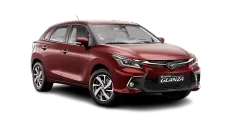
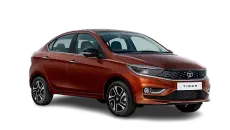
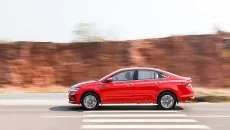
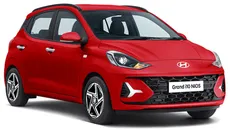
Best Petrol Models

Petrol cars continue to be the most popular choice for Indian buyers, offering a seamless blend of refined performance, lower initial purchase costs, and straightforward maintenance. Whether you are navigating dense city traffic or cruising on the highway, modern petrol engines deliver excellent drivability and improved fuel efficiency.

From compact, budget-friendly runabouts to premium SUVs and strong-hybrids, the petrol segment has evolved to offer something for everyone. With stricter emission norms making diesels more expensive, petrol cars remain the undeniable kings of the Indian automotive market.

Top Petrol Cars

Models Price (Ex-Showroom) Range (Mileage)
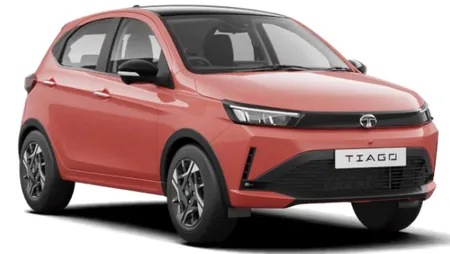
Tata Tiago ₹5.58 - ₹8.58 Lakh Up to 20.01 km/l
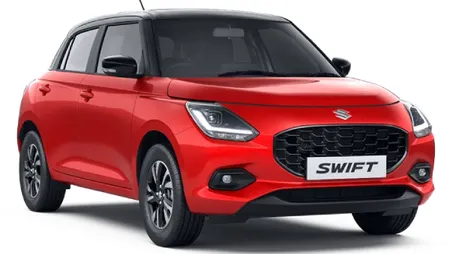
Maruti Suzuki Swift ₹6.82 - ₹9.69 Lakh 24.8 – 25.75 km/l
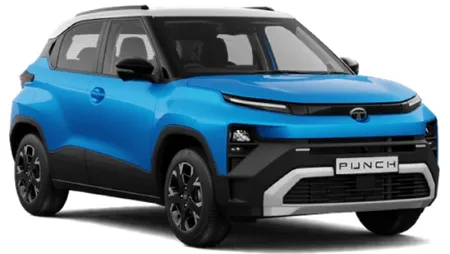
Tata Punch ₹6.75 - ₹10.68 Lakh Up to 20.09 km/l
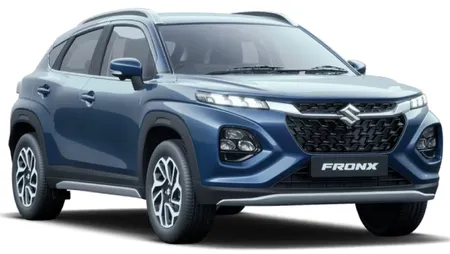
Maruti Suzuki Fronx ₹8.00 - ₹12.44 Lakh 21.8 – 22.89 km/l
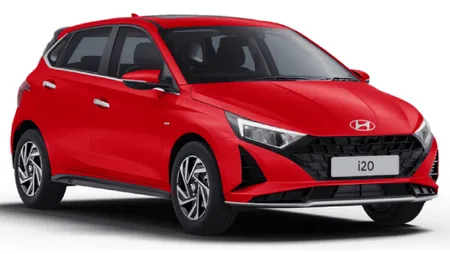
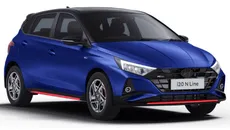
Hyundai i20 ₹7.14 - ₹12.56 Lakh Up to 20.0 km/l
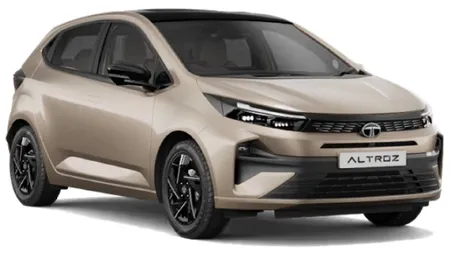
Tata Altroz ₹7.43 - ₹12.68 Lakh Up to 19.33 km/l
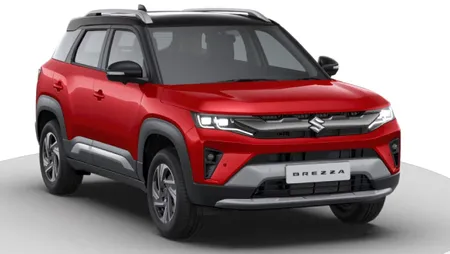
Maruti Suzuki Brezza ₹9.62 - ₹13.56 Lakh 19.8 – 20.15 km/l
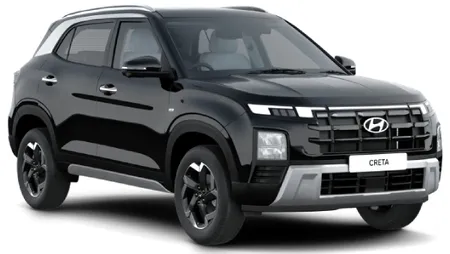
Hyundai Creta ₹11.00 - ₹20.15 Lakh Up to 17.4 km/l
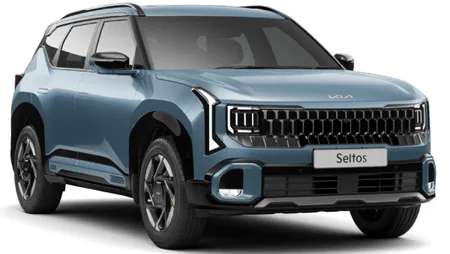
Kia Seltos ₹10.90 - ₹20.30 Lakh Up to 17.0 km/l
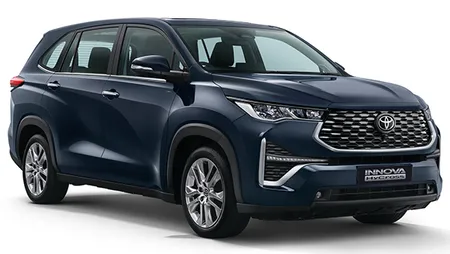
Toyota Innova Hycross ₹23.62 - ₹38.79 Lakh 16.13 – 23.24 km/l

Filter by Car Name

Why Should You Buy a Petrol Car?

While diesels and EVs have their specific use cases, petrol cars remain the most logical choice for a vast majority of Indian buyers. Here is why:

  • Refinement & NVH Levels: Petrol engines are inherently quieter, smoother, and exhibit less vibration compared to diesel engines, ensuring a more peaceful cabin experience.
  • Lower Upfront Cost: Petrol variants are significantly cheaper to purchase than their diesel or EV counterparts, keeping your initial investment low.
  • Lower Maintenance: Because petrol engines operate at lower compression ratios and have less complex emission hardware (like DPF filters), their long-term maintenance costs are generally lower.
  • Better for City Driving: Modern diesels require regular highway running to prevent clogging their emission filters. Petrol cars face no such issues, making them perfect for short, stop-and-go city commutes.
  • Future-Proofing: With the government imposing stricter regulations on diesel vehicles (like the 10-year rule in Delhi NCR), petrol cars (15-year validity) offer far better peace of mind against sudden regulatory bans.

Safest Petrol Cars

Safety has taken center stage in the Indian car market. If you want top-tier structural integrity alongside a petrol engine, these cars lead the charts:

  • Tata Punch & Altroz (5-Star Rating): Both vehicles have scored a perfect 5-star rating for adult occupant protection from Global NCAP.
  • Skoda Slavia / VW Virtus (5-Star Rating): Scoring a full 5 stars under the much stricter new GNCAP protocols, these sedans are the safest made-in-India cars currently available.
  • Standard Safety Tech: Models like the Hyundai i20, Kia Seltos, and Maruti Suzuki Fronx now feature 6 airbags as standard across all variants, along with Electronic Stability Control (ESC) and Hill-Hold Assist.

FAQs on best Petrol cars

Which is the best petrol car in India?
The "best" depends on your needs. For tight budgets and mileage, the Maruti Suzuki Swift is unbeatable. If you want safety and ruggedness, choose the Tata Punch. For premium family travel, the Hyundai Creta or Toyota Innova Hycross are top tier.
Which petrol car has the best mileage?
The Maruti Suzuki Swift currently leads the pure-petrol segment with an ARAI-certified mileage of up to 25.75 km/l thanks to its new highly efficient Z-Series engine.
Which petrol car is safest?
Cars like the Tata Altroz, Tata Punch, Volkswagen Virtus, and Skoda Slavia are currently the safest petrol vehicles in India, all boasting 5-star Global NCAP crash test ratings.
Which petrol car is best for first-time buyers?
The Tata Tiago and Maruti Suzuki Swift are highly recommended for first-time buyers. They have light controls, excellent visibility, low running costs, and manageable dimensions for easy parking.
Which petrol car offers automatic transmission?
Almost all petrol cars now offer automatics. Entry-level cars (Tiago, Swift) use budget-friendly AMTs. Premium hatchbacks and SUVs (i20, Creta) offer smoother CVTs or lightning-fast DCTs, while traditional torque converters are found in cars like the Brezza.
Which is the cheapest petrol car?
The Maruti Suzuki Alto K10 is the cheapest petrol car in India, starting at around ₹3.99 Lakh (ex-showroom). The Renault Kwid is another excellent budget-friendly alternative.
Which petrol car has the largest boot?
In the sedan space, the Honda City and VW Virtus offer massive ~500+ litre boots. In the SUV space, the Hyundai Creta and Kia Seltos offer highly practical 433-litre trunks.
Petrol or Diesel car?
Choose petrol if your monthly running is under 1,500 km, your commute is primarily inside the city, and you want to keep upfront costs low. Choose diesel only if you do heavy highway driving and cover over 1,500 - 2,000 km every month.
Is a hybrid petrol car worth buying?
Yes, if you drive frequently in heavy city traffic. Strong hybrids like the Toyota Innova Hycross or Maruti Suzuki Grand Vitara use electric motors at low speeds, easily pushing city fuel efficiency past 20+ km/l, offsetting their higher initial price over time.
Which petrol car has the best resale value?
Maruti Suzuki and Toyota cars command the highest resale value. Models like the Swift, Brezza, and Innova Hycross lose minimal value over 5 years due to their bulletproof engine reliability and massive service networks.
Notifications
Settings
Clear Notifications
Notifications
Use the toggle to switch on notifications
  • Block for 8 hours
  • Block for 12 hours
  • Block for 24 hours
  • Don't block
Gender
Select your Gender
  • Male
  • Female
  • Others
Age
Select your Age Range
  • Under 18
  • 18 to 25
  • 26 to 35
  • 36 to 45
  • 45 to 55
  • 55+