



 Click it and Unblock the Notifications
Bajaj Pulsar NS160

-
KEY FEATURES
-
CAPACITY 160.3CC
-
MILEAGE 52.2 Kmpl
-
MAX POWER 17.03 bhp
Bajaj Pulsar NS160 Review
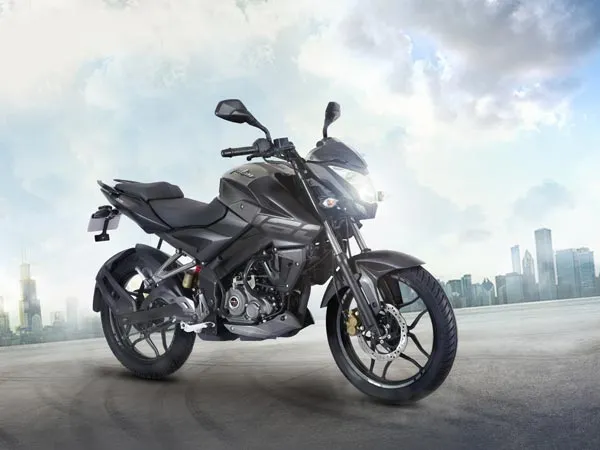
Bajaj Pulsar NS160 Design And Style
The Bajaj Pulsar 160NS can to the untrained eye look like the Pulsar 200NS, and that is simply because it carries over the streetfighter, naked sport looks from its elder sibling, the Bajaj Pulsar NS200. Several body components are shared as well, and even the overall dimensions of the bike seem to be similar to that of the NS200.
The black alloy wheels, bikini fairing, headlamp, swingarm, tail lamp, fuel tank, etc. are all carried over from the 200NS. It even gets a similar dual-tone colour scheme and even the seating is the split-seat setup.
So, what are the difference in design then? It is all in the little details, starting with of course the decals, which says NS160. And then, there’s the new engine with a kick-starter as the exterior differentiator.
However, the similarities in design is not a bad thing at all, as it is one of the best Indian motorcycle designs. The smaller tyres do look a little out of place, as this design and frame of the Pulsar 200NS was built to handle larger 130 section tyres instead of the 110 section tyres currently on the 160NS.
Bajaj Pulsar NS160 Engine And Performance

The Bajaj Pulsar 160NS is powered by a reworked version of the old Pulsar AS150's 149cc engine. The 160.3cc, single cylinder, triple spark engine now produces a maximum power output of 15.7bhp at 8500 rpm and a peak torque output of 14.6Nm at 6500 rpm. A 5-speed gearbox transmits the power to the rear wheel.
The Pulsar 160NS performs pretty well for a 160cc motorcycle. The engine is smooth, vibrations feel well-controlled and acceleration is brisk. The fact that the motorcycle has shed a few kilos is very much noticeable, as it is nimbler around corners and is capable of changing directions all of a sudden, without washing out.
The motorcycle is capable of accelerating from 0-100 kmph in around 15 seconds and should go on to hit the claimed top speed of 120 km/h.
Bajaj Pulsar NS160 Fuel Efficiency
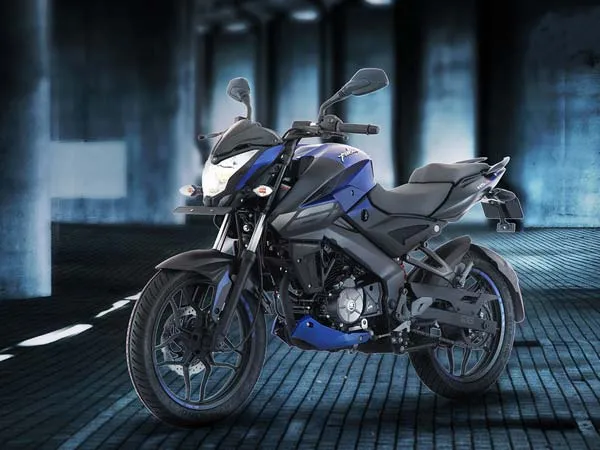
The Bajaj Pulsar 160NS returns a pretty impressive fuel economy of around 45kmpl. The fuel economy is about the same as its competition in the segment, i.e the Yamaha FZ-S, TVS Apache RTR 160 and Honda CB Hornet.
Bajaj Pulsar NS160 Important Features
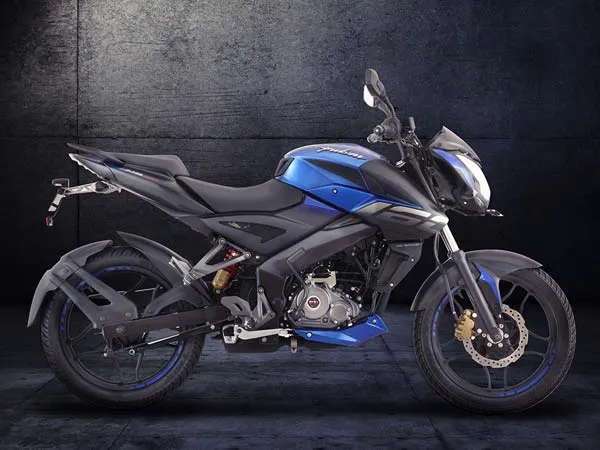
The digital-analogue instrument cluster which is carried over from the 200NS is probably the best looking and functioning one in this segment. Even the aluminum number plate and indicator mount looks premium for this class.
The Pulsar 160NS features a segment-first oil-cooling system, which can keep the engine running cool irrespective of riding conditions.
Bajaj Pulsar NS160 Verdict
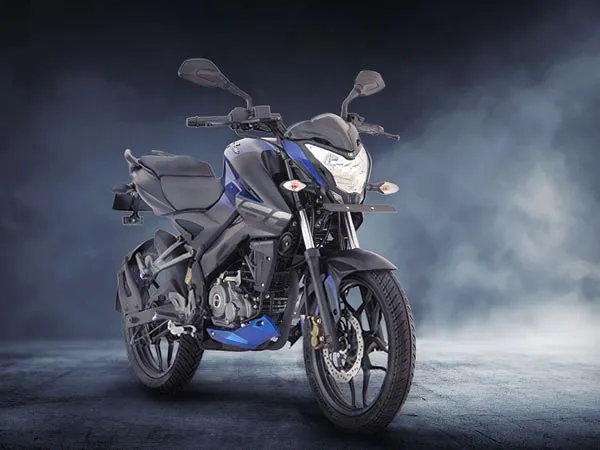
The Bajaj Pulsar 160NS was first unveiled in Turkey and then launched in India. However, it was slightly disappointing that Bajaj has skimped on the single-channel ABS being offered on the international model. However, the Bajaj Pulsar 160NS is a worthy contender in the 160cc segment which is just opening up in the Indian market.
Bajaj Pulsar NS160 Q & A
The saddle height of the Pulsar 160NS is 805mm, just like the Pulsar 200NS. The seat is a split-seat configuration, again like the Pulsar 200NS, and the rear seat is a few millimetres taller than the front seat.
Well, it depends on what you are looking for from the motorcycle. The Apache RTR 160 is certainly sportier to ride than the Pulsar 160NS, but if looked at from an all-rounder perspective, the Pulsar 160NS takes the cake, as it is a good mixture of sportiness, comfort and efficiency.
Bajaj Pulsar NS160 Models
|
82,496.00 Ex-Showroom Price
|
|
|
85,850.00 Ex-Showroom Price
|
|
|
94,106.00 Ex-Showroom Price
|
|
|
121,050.00 Ex-Showroom Price
|
|
|
138,874.00 Ex-Showroom Price
|
|
|
139,040.00 Ex-Showroom Price
|
Bajaj Pulsar NS160 Specifications
| Calliper Type | Floating, Two Piston |
| Front Brake Size | 240 mm |
| Front Brake Type | Disc |
| Front Suspension | Telescopic |
| Front Tyre Size | 80/100-17â€, 46P Tubeless |
| Front Wheel Size | 17 inch |
| Radial Tyres | No |
| Rear Brake Size | 130 mm |
| Rear Brake Type | Drum |
| Rear Suspension | Monoshock |
| Rear Tyre Size | 110/80-17â€, 57P Tubeless |
| Rear Wheel Size | 17 inch |
| Tyre Type | Tubeless |
| Wheel Type | Alloy |
| Chassis Type | Perimeter Frame |
| Ground Clearance | 176 mm |
| Kerb Weight | 142 kg |
| Overall Height | 1,060 mm |
| Overall Length | 2,012 mm |
| Overall Width | 804 mm |
| Seat Height | 805 mm |
| Wheelbase | 1,363 mm |
| Bore | 58 mm |
| Clutch | Wet Multiplate |
| Compression Ratio | 9.8 ± 0.5:1 |
| Cooling System | Oil Cooled |
| Cylinders | 1 |
| Displacement | 160.3 cc |
| Fuel Delivery System | Carburetor |
| Fuel Type | Petrol |
| Gearbox Type | Manual |
| Ignition | DTS-i |
| Max Power | 15.3 bhp @ 8,500 rpm |
| Maximum Torque | 14.6 Nm @ 6,500 rpm |
| No. of Gears | 5 |
| Spark Plugs | 2 Per Cylinder |
| Stroke | 61 mm |
| Transmission Type | Chain Drive |
| Valves Per Cylinder | 4 |
| 0 to 60 kmph | -- |
| 60 to 0 kmph | -- |
| Fuel Efficiency Range | 540 Km |
| Fuel Tank Capacity | 12 litres |
| Mileage - ARAI | 45 kmpl |
| Reserve Fuel Capacity | 2.4 litres |
| Top Speed | -- |
Bajaj Pulsar NS160 Features
| Antilock Braking System | No |
| Battery | Maintenance Free |
| Brake/Tail Light | LED Taillamp |
| Clock | Yes |
| Digital Fuel Guage | Yes |
| Electric System | 12 V DC |
| Fuel Guage | Yes |
| Headlight Bulb Type | H4 (12V 55/60W) |
| Headlight Type | Conventional Bulb and Reflector |
| Killswitch | Yes |
| Low Battery Indicator | Yes |
| Low Fuel Indicator | Yes |
| Low Oil Indicator | Yes |
| No. of Tripmeters | 2 |
| Odometer | Digital |
| Pass Light | Yes |
| Pillion Backrest | No |
| Pillion Footrest | Yes |
| Pillion Grabrail | Yes |
| Pillion Seat | Yes |
| Shift Light | Yes |
| Speedometer | Digital |
| Stand Alarm | No |
| Start Type | Electric Start |
| Stepped Seat | Yes |
| Tachometer | Analogue |
| Tripmeter Type | Digital |
| Turn Signal | Yes |
Bajaj Pulsar NS160 Competitors


-
Block for 8 hours
-
Block for 12 hours
-
Block for 24 hours
-
Don't block

 Continue with Google
- Male
- Female
- Others
- Under 18
- 18 to 25
- 26 to 35
- 36 to 45
- 45 to 55
- 55+